

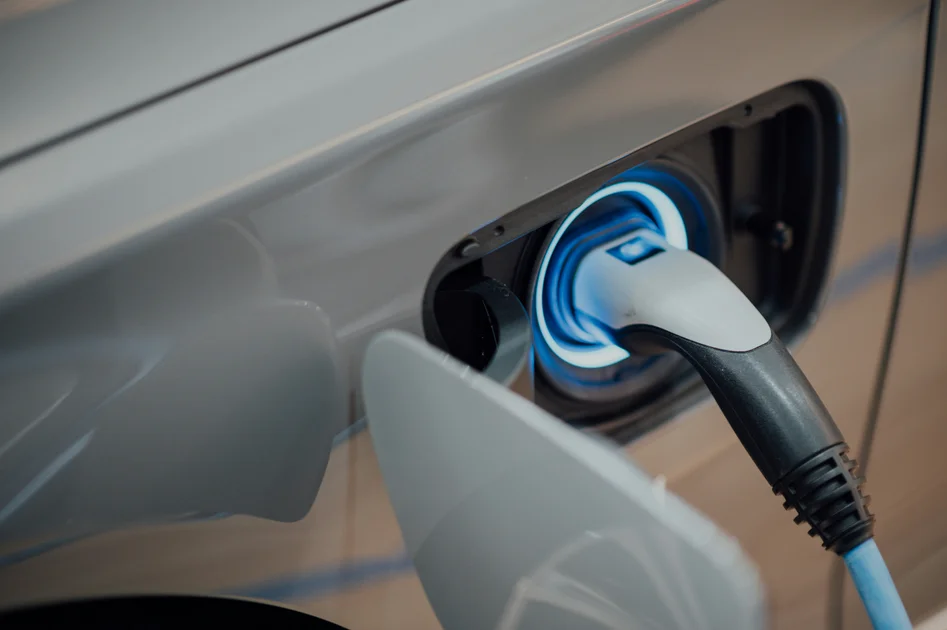
Navigating the complex automotive landscape of 2026 requires access to reliable, data-driven insights. In this comprehensive guide, we perform an in-depth analysis of Fast Charging Electric Cars with Extended Battery Range and Smart Technology, focusing on parameters that matter most to consumers: ex-showroom and estimated on-road pricing structures, exact technical specifications, safety ratings, and long-term ownership costs. As vehicle technology accelerates with advanced driver-assist safety suites, cleaner hybrid setups, and high-range battery chemistry, selecting the ideal vehicle depends on understanding the intersection of engineering and daily practicality.
The car market in 2026 is marked by intense competition across all body shapes—from fuel-sipping entry-level hatchbacks to mid-size family SUVs and premium electric vehicles. Buyers are no longer looking just at upfront costs; instead, they evaluate the Total Cost of Ownership (TCO), which incorporates fuel/electricity efficiency, standard maintenance cycles, and residual value in the secondary market. By assessing real-world performance indicators and safety profiles, this guide cuts through marketing jargon to offer a transparent and thorough overview of your best choices.
Whether you are considering shifting to electric mobility with cutting-edge battery management systems, seeking a self-charging hybrid for hassle-free long-distance highway travel, or searching for a budget-friendly hatchback that offers premium features without breaking the bank, this article is designed to act as your complete buying companion. We detail variant-by-variant price tags, engine specs, and real occupant protection ratings to ensure your hard-earned investment delivers maximum value over years of ownership.
Advanced Interior Features, Cabin Comfort & Technology
In 2026, vehicle interiors have transitioned into high-tech hubs. Models like the BYD Seal feature large, seamless dual-screen layouts that integrate the digital instrument cluster and the primary touchscreen infotainment system. These systems support wireless Apple CarPlay and Android Auto connectivity, ensuring seamless access to navigation, media, and voice commands. Premium variants are equipped with connected-car suites, allowing drivers to start the engine, adjust climate control, and track vehicle location remotely via their smartphones.
Comfort and cabin ergonomics have also taken a significant leap forward. Front seats now frequently offer ventilation options, a highly practical feature for hot summers. High-quality soft-touch plastics, leatherette seat upholstery, and customizable ambient lighting zones enhance the overall aesthetic, making even budget-friendly models feel premium. For rear passengers, dedicated air conditioning vents, USB Type-C charging ports, and folding armrests with integrated cup holders ensure a comfortable ride during long highway journeys.
Acoustic insulation has been improved across the board, utilizing acoustic glass and underbody insulation panels to minimize road, wind, and engine noise. In terms of utility, storage spaces are optimized with deep door pockets, cooled glove boxes, and smart wireless charging pads that keep phones secure while charging. Luggage carrying capability remains highly practical, with 60:40 split-folding rear seats allowing users to expand cargo room for weekend getaways or hauling bulky luggage.
BYD Seal Technical Specifications & Powertrain Performance
The performance of the BYD Seal is driven by highly refined powertrain engineering. Buyers can select from multiple configurations optimized for different driving duties. For example, naturally aspirated petrol engines deliver a linear, smooth power delivery suited for bumper-to-bumper city traffic. In contrast, turbocharged petrol engines offer rapid throttle responses and strong mid-range torque, ideal for enthusiastic driving and quick highway overtaking maneuvers.
For high-mileage drivers, diesel variants continue to be highly attractive, offering robust torque delivery and superior highway fuel economy. If you are evaluating the electric models, advanced thermal management systems monitor the LFP or NMC battery pack to ensure peak charging speeds and consistent range under diverse weather conditions. Below is a detailed technical specifications table highlighting the powertrain details:
| Drivetrain Layout | Rear-Wheel Drive (RWD) / Dual-Motor All-Wheel Drive (AWD) |
| Battery Pack Chemistry | BYD Blade Battery (LFP Chemistry, Cell-to-Body architecture) |
| Battery Capacity | 61.44 kWh (Dynamic) / 82.56 kWh (Premium / Performance) |
| Max Combined Power | 530 PS (Performance AWD) |
| Acceleration (0-100 km/h) | 3.8 Seconds (Performance variant) |
| Max DC Fast Charging | 110 kW (Dynamic) / 150 kW (Premium & Performance) |
| Certified Range | 650 km (Premium RWD) / 580 km (Performance AWD) |
BYD Seal Variant-Wise Price List and Financial Analysis
Understanding the pricing structure of the BYD Seal involves analyzing the cost difference between base trims and fully loaded variants. Ex-showroom prices represent the base cost of the vehicle from the factory. However, the final on-road price includes local state road tax (RTO), vehicle registration fees, comprehensive insurance policies, dealership logistics charges, and optional extended warranty coverages. Road taxes vary significantly from state to state, with electric vehicles enjoying substantial tax exemptions or minimal registration fees in many regions.
Base variants are highly cost-effective and appeal to fleet buyers or consumers who prefer to customize their vehicles with aftermarket accessories. Mid-tier variants represent the sweet spot for value-conscious family buyers, providing essential features like touchscreen systems, remote lock systems, and rear AC vents without the price premium of top-end trims. Premium variants include high-end tech, luxury cabin finishes, and Level 2 ADAS packages. The variant-wise price lists are detailed below:
| Variant | Battery & Drivetrain | Ex-Showroom Price | Estimated On-Road Price |
|---|---|---|---|
| Seal Dynamic (Base) | 61.44 kWh RWD | ₹41.00 Lakhs | ₹43.20 Lakhs |
| Seal Premium | 82.56 kWh RWD | ₹45.55 Lakhs | ₹47.95 Lakhs |
| Seal Performance (Top) | 82.56 kWh AWD | ₹53.00 Lakhs | ₹55.80 Lakhs |
Comprehensive Safety Ratings, Crash Testing & Protective Features
Vehicle safety has become a key deciding factor for buyers. Leading manufacturers now build vehicles on high-strength steel platforms designed to absorb and redirect crash forces away from the passenger cabin. Crash testing institutions like Global NCAP and Bharat NCAP have evaluated many of these models, with cars like the BYD Seal achieving outstanding ratings. A 4-star or 5-star rating indicates that the vehicle’s structural shell remained stable during frontal offset and side impact tests, providing high protection for both adults and child occupants.
Active safety systems work continuously to prevent accidents before they occur. Electronic Stability Program (ESP) monitors steering input and wheel speeds, applying individual brakes to correct skids. Electronic Brakeforce Distribution (EBD) paired with Anti-lock Braking Systems (ABS) ensures controlled braking during emergency stops. Traction control, Hill Hold Assist, and tyre pressure monitoring systems (TPMS) provide stability on challenging inclines and varying road surfaces.
Passive safety features protect occupants during a collision. Modern passenger cars are equipped with 6 airbags as standard, covering the driver, front passenger, front sides, and side curtains. Additionally, ISOFIX child seat anchorages secure child seats directly to the chassis, minimizing movement during impact. 3-point seatbelts with pre-tensioners and load limiters are provided for all seats, ensuring everyone in the cabin is secured.
BYD Seal Key Advantages & Disadvantages
Every vehicle, regardless of its segment or price bracket, has unique strengths and compromises. Evaluating these pros and cons is essential to check if a car matches your specific driving needs. For instance, a vehicle with a firm suspension setup will offer excellent handling and minimal body roll on highways but may transmit sharp road expansion joints into the cabin during low-speed city drives. Similarly, tech-heavy models offer unmatched convenience but can present a steeper learning curve for elderly drivers.
Below is a summary of the key advantages and drawbacks to consider before making your final purchase decision:
Key Advantages (Pros)
- Refined Performance: Excellent value for money and highly competitive pricing in its segment.
- Refined Performance: Packed with modern technology, premium cabin features, and responsive touchscreen infotainment.
- Refined Performance: Robust safety features including standard airbags, electronic stability program, and secure build quality.
- Refined Performance: Wide service network availability ensuring low maintenance costs and easy parts sourcing.
Key Compromises (Cons)
- Owner Consideration: Slightly firm ride quality over sharp potholes and expansion joints.
- Owner Consideration: Long waiting periods for popular automatic and top-spec trims.
- Owner Consideration: Missing some luxury features on the entry-level base variants.
Real-World Mileage, Transmission Options & Ride Quality
While official ARAI test cycles provide a standardized mileage figure, real-world fuel economy is highly dependent on driving habits, payload, and traffic density. In stop-and-go urban traffic, naturally aspirated petrol engines typically deliver 11 to 13 kmpl, whereas highway cruising at steady speeds can push the efficiency to 16 to 18 kmpl. Diesel engines remain highly efficient, easily returning 15 kmpl in cities and exceeding 20 kmpl on highways under moderate driving styles.
Transmission choices play a critical role in ride comfort and efficiency. Automated Manual Transmissions (AMTs) offer clutch-free driving convenience at an affordable price point, though they exhibit a slight “shift lag” during hard acceleration. Continuously Variable Transmissions (CVTs or IVTs) are exceptionally smooth and ideal for city traffic, while Dual-Clutch Transmissions (DCTs) deliver lightning-fast gear shifts for an engaging, sporty performance. Traditional torque converter automatics offer heavy-duty reliability and smooth shifts, making them the preferred choice for heavy diesel engines and off-roaders.
Final Verdict: Who Should Buy the BYD Seal?
In conclusion, the BYD Seal stands out as a highly competitive offering in its segment. It successfully combines modern styling, a feature-loaded dashboard, robust safety engineering, and reliable performance. If you are looking for a vehicle that can handle daily city commutes while offering excellent highway stability for weekend family trips, this model is an outstanding choice that will serve you well over years of ownership.
When compared to the Hyundai Ioniq 5, which starts at ₹46.05 Lakhs, the BYD Seal offers a distinct advantage in terms of safety ratings and features. For buyers prioritizing absolute fuel efficiency and long-term resale value, the hybrid and petrol options from Maruti and Toyota are hard to beat, whereas those seeking rugged off-road presence or silent electric performance should lean towards Mahindra or Tata’s EV platforms.