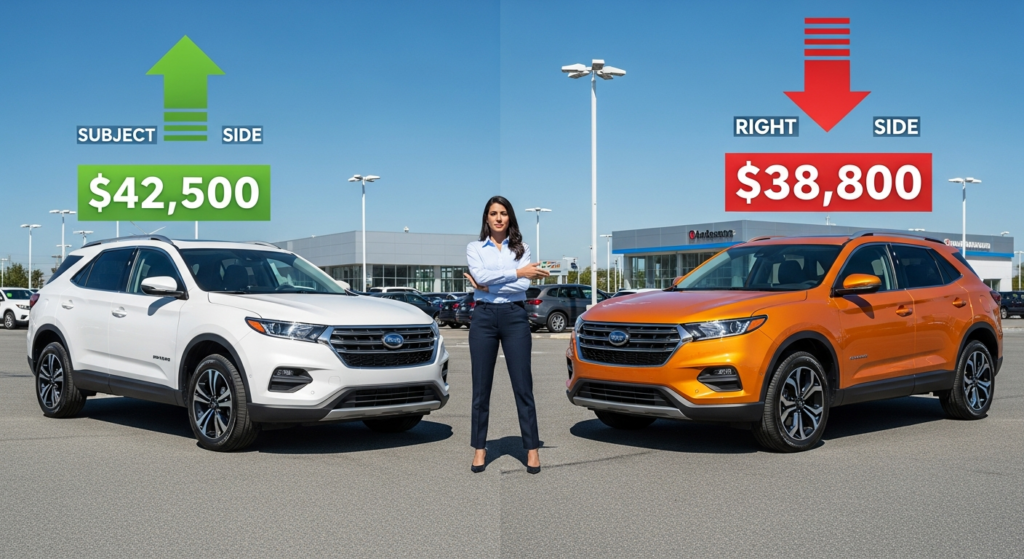

I’ve watched thousands of cars roll through auctions and dealer lots over the past five years, and I can tell you something most buyers don’t realize until it’s too late: your car’s color is costing you money. Not a little bit. We’re talking thousands of dollars in depreciation differences between a white sedan and an orange one sitting right next to it with identical specs.
I’m Priya Verma, and I’ve spent half a decade working directly in automotive sales and trade-in evaluations. Every single day, I see people’s faces drop when they learn their “unique” color choice just knocked $2,000-$4,000 off their trade-in value. The worst part? They had no idea this would happen when they picked that color four years ago. I’ve seen buyers get genuinely angry, insisting their car should be worth more because “it’s rare” or “it looks better.” The market doesn’t care about your preferences. It cares about what the next buyer wants, and I’m going to show you exactly what that means for your wallet.
The Numbers Don’t Lie: Color Impact on Resale Value
Let me break down what actually happens in the real world. When a car comes in for trade-in evaluation, color is one of the first adjustment factors we apply. It’s not subjective—we use market data that shows exactly how fast different colors move and what buyers will pay.
High-Demand Colors vs. Low-Demand Colors (3-Year Depreciation)
| Color Category | Average Resale Value | Days on Market | Price Adjustment |
|---|---|---|---|
| White/Silver/Black | 85-88% of original MSRP | 25-35 days | Baseline (0%) |
| Gray/Blue | 83-86% of original MSRP | 35-45 days | -2 to -3% |
| Red | 81-84% of original MSRP | 45-55 days | -3 to -5% |
| Green/Brown/Gold | 78-82% of original MSRP | 55-75 days | -5 to -7% |
| Orange/Yellow/Purple | 75-79% of original MSRP | 75-100+ days | -7 to -10% |
These percentages represent real money. On a $35,000 car, the difference between white and yellow is roughly $3,150 after three years. That’s not a rounding error.
Why White, Black, and Silver Dominate the Resale Market
Here’s what I’ve learned from watching buyer behavior: most people buying used cars aren’t looking for excitement. They want safe, practical choices that won’t make them stand out or limit their future resale options. It’s a cycle that reinforces itself.
White has become the default because it photographs well online (where 90% of used car shopping starts), hides minor scratches better than dark colors, and works for both personal and commercial use. I’ve sold white cars to everyone from young professionals to contractors who need work vehicles.
Black and silver follow similar logic. Black looks premium and formal without being flashy. Silver has been the “safe” choice for so long that it’s ingrained in buyer psychology. These colors also have broader appeal across age groups and demographics.
The counterintuitive part? White actually holds value better than black in hot climates because buyers don’t want the heat absorption. In the Southwest, white cars routinely sell for 2-3% more than identical black ones. Black scratches also show more obviously, which becomes a negotiating point during inspections.
The Premium Color Myth That Costs Buyers Thousands
Manufacturers love to charge $500-$1,500 extra for “premium” or “special” colors. They’ll tell you these colors are exclusive or hand-applied or triple-coated. Here’s the truth I wish more people understood: that premium charge doesn’t transfer to resale value. At all.
I evaluated a BMW 3 Series last month where the original buyer paid $1,200 extra for a special blue metallic. Beautiful car. Took us 67 days to sell it, and we had to price it $1,800 below comparable white models to move it. The original owner paid a premium upfront, then lost money on the backend. Total loss from that color decision: roughly $3,000.
The only exception is if you’re buying a true collectible or performance car where the rare color itself becomes desirable to enthusiasts. A 1990s Honda Civic Type R in Championship White or a Porsche GT3 in an exclusive PTS color can actually gain value. But your everyday sedan or SUV? That premium color charge is just profit for the manufacturer.
Sport and Luxury Cars: When Color Rules Change
Performance vehicles operate in a different market with different rules. Red Corvettes, yellow Mustangs, and blue WRXs don’t suffer the same depreciation because buyers shopping in this segment actively want bold colors. It signals the car’s purpose.
I’ve seen bright orange Dodge Challengers sell faster than gray ones because the buyer demographic expects aggression and visibility. The color matches the car’s character. Same with hot hatches—a boring color on a Golf R or Civic Type R actually works against you because enthusiasts question if the previous owner really enjoyed the car or just bought it as a badge.
Performance Car Color Preferences
| Vehicle Type | Best Colors | Worst Colors | Price Difference |
|---|---|---|---|
| Sports Cars | Red, Yellow, Blue | Beige, Gold, Silver | +3 to +5% for bold |
| Muscle Cars | Bright colors, Black | White, Gray | +2 to +4% for traditional |
| Hot Hatches | Bold colors, White | Brown, Gold | +2 to +3% for standout |
| Luxury Sedans | Black, White, Dark Blue | Bright colors | +3 to +5% for subdued |
| Luxury SUVs | Black, White, Silver | Yellow, Orange | +4 to +6% for neutral |
Luxury cars follow opposite logic. A neon green Mercedes S-Class is a nightmare to sell because luxury buyers want understated elegance. Black dominates the luxury sedan market. White works for luxury SUVs. Anything loud signals poor judgment from the original owner.
Regional Color Preferences You Need to Know
Where you plan to sell matters more than most people realize. I’ve worked with dealers across different regions, and the preferences shift dramatically.
Southern states prefer white and lighter colors because of heat. I’ve seen identical trucks sell for $1,500 more in Texas just because one was white and the other was black. Buyers don’t want to touch a black steering wheel in July.
Northern and coastal areas lean toward gray and blue because they read as sophisticated without the maintenance issues of black cars in winter road salt conditions. Silver hides dirt better when snow and slush are daily realities for six months.
Urban markets favor neutral colors because parking lot dings and scratches are inevitable. Buyers don’t want a bright yellow car that shows every scratch. Suburban and rural buyers have more flexibility because vehicles spend time in garages and driveways rather than street parking.
The worst regional mismatch I ever saw was a bright lime green Jeep Wrangler in a conservative Midwest market. Sat on our lot for 103 days. We finally wholesaled it to a California dealer who sold it in two weeks. Same car, different market, completely different reception.
The Electric Vehicle Color Equation
EVs introduce new variables that traditional gas cars don’t face. Range anxiety makes buyers hyper-focused on efficiency, and color affects that through heat absorption and cooling system usage.
White and silver EVs can see up to 3-4% better range in hot weather compared to black ones because the cooling system doesn’t work as hard to maintain battery temperatures. That’s real range difference that shows up in EPA estimates, and educated EV buyers know it.
I’ve also noticed that EV buyers tend to be more willing to consider unusual colors because the whole purchase already signals they’re comfortable being different. A bright blue Tesla doesn’t hurt resale as much as a bright blue Toyota Camry.
EV Color Considerations
- White: Best for range efficiency, resale value
- Silver/Gray: Good middle ground for resale and efficiency
- Black: Worst for range, moderate resale impact
- Bold colors: Less depreciation than traditional cars but still slower to sell
- Matte finishes: Repair nightmares that crater resale value
That last point deserves emphasis. Matte paint looks incredible but costs $5,000-$8,000 to repair properly after minor damage. I automatically deduct $2,000-$3,000 from trade-in values on matte-finished cars because the next buyer will face those potential repair costs.
Truck and SUV Color Dynamics
Work trucks live by different rules than passenger vehicles. White dominates because it’s cheap to touch up, doesn’t show dirt as obviously as dark colors, and signals “work vehicle” to commercial buyers who represent a huge chunk of the used truck market.
Black trucks command premiums only in the luxury trim levels where buyers want them to look aggressive and expensive. A black F-150 Platinum sells strong. A black F-150 XL struggles because it shows every scratch from job sites and looks dirty within hours.
Truck Color Market Performance
| Color | Commercial Buyers | Personal Buyers | Overall Appeal | Resale Impact |
|---|---|---|---|---|
| White | Excellent | Good | Highest | Baseline |
| Black | Poor | Excellent | Good | +2% (luxury only) |
| Silver | Good | Good | Good | -1 to -2% |
| Red | Poor | Moderate | Moderate | -3 to -4% |
| Blue | Moderate | Good | Moderate | -2 to -3% |
| Other | Poor | Poor | Lowest | -5 to -8% |
SUVs split between family haulers and luxury lifestyle vehicles. Family SUVs (three-row models, minivans) follow the same neutral color preference as sedans. Luxury SUVs can pull off black, white, or dark metallics but struggle with anything bright.
I evaluated a brown Tahoe last year. Nice truck, loaded with features, reasonable miles. Brown absolutely killed it. Took 81 days to sell and we discounted it $2,400 below market because nobody wants a brown family vehicle in 2025.
The Paint Condition Factor Nobody Talks About
Color choice interacts with paint maintenance in ways that multiply depreciation. Black cars show swirl marks, scratches, and oxidation more visibly than any other color. If you choose black and don’t maintain the paint religiously, you’re compounding the depreciation.
White cars hide minor scratches better but show rust and paint chips more obviously on the edges. Red paint fades faster than other colors due to the pigment chemistry, especially on older or cheaper paint systems. I’ve seen 7-year-old red cars that look 12 years old because the clear coat failed and the color oxidized.
Dark metallics hide imperfections in the right lighting but reveal everything under direct inspection lights. This creates problems during trade-in evaluations because the dealer inspection process uses bright lights that show every flaw.
Solid colors (non-metallic) are cheaper to repair than metallics or pearls, which matters for resale value. A repair estimate on a solid white door is $800. The same repair on a tri-coat pearl white? $1,400. Buyers factor this into their offers even if subconsciously.
When to Ignore Color and Pick What You Want
I’m not telling you to only buy white cars. I’m telling you to make an informed choice about what that color will cost you long-term.
If you keep cars for 10+ years, color matters less because depreciation curves flatten over time. The difference between white and orange shrinks significantly after year seven because both cars are old enough that color becomes less important than condition and maintenance history.
If you’re leasing, you’re not exposed to resale risk unless you go over mileage or damage the car. Pick whatever you want.
If you’re buying a true enthusiast vehicle and plan to keep it long-term, get the color that makes you happy. A collector car held for 15 years will find the right buyer eventually, and authenticity matters in those markets.
If you genuinely love a specific color and the extra depreciation cost is worth the daily enjoyment, do it. Just go in with eyes open about what it’ll cost when you sell.
How to Minimize Color-Related Depreciation
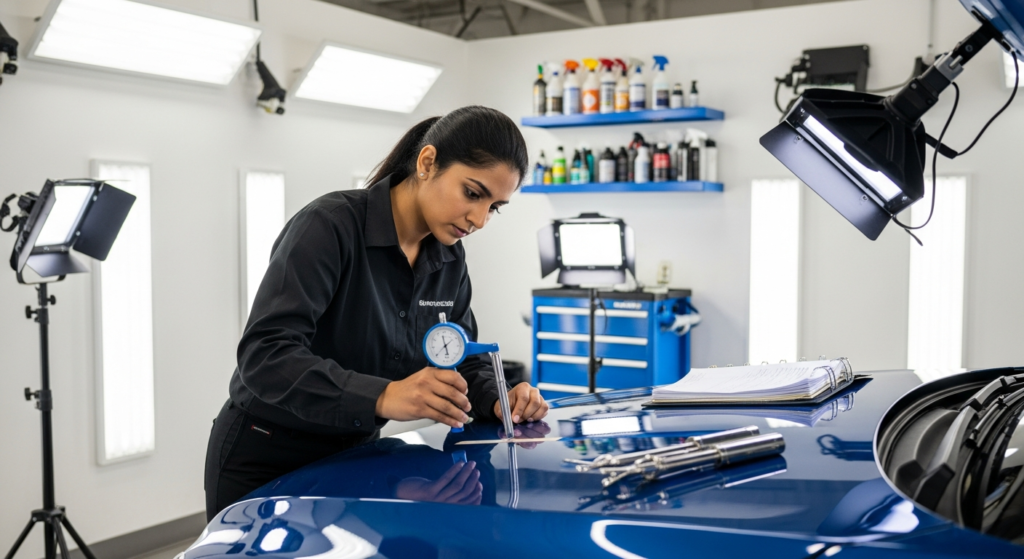
If you already own a less-popular color, here’s how to protect your resale value:
Maintain the paint meticulously. An unusual color in perfect condition sells better than a popular color that’s been neglected. Budget $150-$200 annually for professional detailing and paint correction.
Document the maintenance. Keep every service record organized. Buyers who might be skeptical about an unusual color become more confident when they see you’ve cared for the vehicle properly.
Price aggressively from the start. Don’t get emotionally attached to recovering what you paid. I’ve seen sellers hold onto unusual-colored cars for months trying to get an extra $1,000, costing themselves more in continuing payments and depreciation than they would’ve lost by pricing correctly immediately.
Sell privately rather than trading in. Private buyers shopping for specific makes and models are more flexible about color than dealers who need to move inventory quickly. You’ll recover some of that lost value by finding the one buyer who actually wants that color.
Consider geographic arbitrage. If you’re in the wrong market for your color, expand your selling radius. List in regions where your color might be more desirable. That lime green Jeep I mentioned would’ve sold immediately in southern California or Florida beach markets.
The Future of Car Color and Resale Value
Color preferences shift slowly but they do shift. Fifteen years ago, gold and champagne were popular luxury car colors. They’re worth nothing now. Today’s “safe” colors might not be tomorrow’s.
I’m watching younger buyers show slightly more tolerance for color variation, especially on EVs and crossovers. This generation grew up with customization and personalization in everything from phones to sneakers. That mindset may slowly erode the white/black/silver dominance.
Matte finishes continue growing in popularity despite the resale hit because younger buyers prioritize appearance over future trade-in value. I think this is short-sighted, but it’s real.
Paint technology improvements mean modern color finishes hold up better than older ones, which might reduce the red-fade and clear-coat-failure issues that hurt certain colors historically. If manufacturers can produce bold colors that don’t deteriorate, buyers might become less risk-averse.
Making Your Color Decision: Questions to Ask Yourself
Before you order that special color or check that unusual box on the lot, run through these questions:
How long will you keep this car? Under five years means color matters significantly. Over eight years means it matters much less.
What’s your local market like? Urban, suburban, or rural? Hot or cold climate? Conservative or progressive area? These all influence color preferences.
Is this a practical vehicle or an enthusiast purchase? Daily drivers need neutral colors. Weekend toys can be whatever you want.
Can you afford the depreciation hit? If an extra $2,000-$4,000 in lost value would stress your finances, stick with neutral colors.
Will you sell privately or trade in? Private sales give you more flexibility. Trade-ins expose you to full wholesale depreciation on unusual colors.
Does the color match the vehicle’s purpose? A flashy color on a family sedan creates cognitive dissonance. The same color on a sports car makes sense.
Related Questions About Car Color and Value
Do wrap colors affect resale value the same way as factory paint?
Wraps hurt resale value more than unusual factory colors because buyers assume you’re hiding damage or poor original paint. Even professional wraps make buyers nervous. I automatically deduct $1,000-$1,500 on wrapped vehicles before even inspecting them because of the uncertainty. The only exception is if you’re selling in enthusiast markets where wraps are accepted and you have documentation of the original paint condition underneath.
Can I repaint my car before selling to improve resale value?
Almost never worth it. A quality respray costs $3,000-$7,000, and buyers can tell it’s not factory paint. You won’t recover the cost unless the original paint is severely damaged. I’ve seen people spend $4,000 on repaints and still lose money because CarFax shows the work and buyers get suspicious about accident history. The only time it makes sense is if you’re going from a terrible color to neutral and the car is valuable enough that the improvement matters.
Do limited edition colors hold value better?
Only on collectible cars where the specific color is part of the car’s identity and desirability. A limited-run Porsche color might add value. A limited-run Honda color won’t. The difference is whether you’re selling to collectors or regular used car buyers. Regular buyers don’t care about limited editions—they care about practicality and broad appeal.
How much does interior color affect resale value?
Less than exterior but it still matters. Beige and gray interiors are universal. Black interiors are good for luxury and sport vehicles. Bright or unusual interior colors (red, white, saddle brown) limit your buyer pool. I deduct 1-2% for unusual interior colors on top of any exterior color issues. White interiors are particularly problematic because buyers worry about staining and wear, even if the actual condition is perfect.
Conclusion
Your car’s color will cost or save you thousands of dollars when you sell. After five years of watching this play out daily, I can tell you the pattern never changes: neutral colors sell faster and for more money than unusual ones, with rare exceptions for enthusiast vehicles.
White, black, and silver aren’t boring—they’re smart financial choices that preserve 3-7% more resale value compared to bold colors. That’s $2,000-$4,000 on an average vehicle, or enough to cover a year of car payments.
If you want that orange sports car or lime green Jeep, buy it. Enjoy it. But understand you’re paying a premium for that choice both upfront and when you sell. Make that decision consciously instead of being surprised years later when the trade-in offer comes in thousands below what you expected.
The market rewards practicality and broad appeal. It punishes uniqueness and personalization. That’s not my opinion—it’s what the numbers show every single day in auction lanes and dealer lots across the country. Choose accordingly.