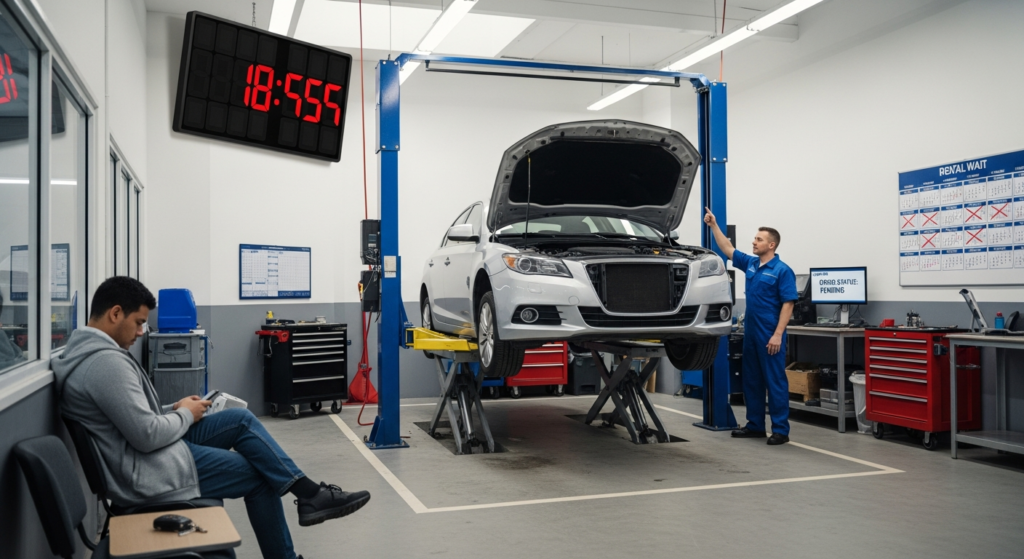

You drop your car off at the shop expecting a quick fix. Three days later, your mechanic calls: “The part’s backordered. Could be two weeks, maybe more.” Meanwhile, you’re burning money on rental cars or bumming rides from friends. Sound familiar?
I’ve spent the last five years working directly with automotive repair logistics, and I’m Priya Verma—someone who’s watched this parts availability nightmare evolve from an occasional annoyance into a full-blown crisis that’s costing car owners thousands in unexpected expenses. I’ve seen customers break down in tears when I tell them their “simple” repair will take a month because a $150 sensor is stuck on a container ship somewhere in the Pacific. The frustration is real, and the generic advice you’ll find online (“just be patient” or “shop around”) doesn’t cut it when you need your car tomorrow.
Here’s what nobody tells you: parts availability isn’t random bad luck. It’s a predictable pattern based on your vehicle’s brand, age, and where it was manufactured. Some brands leave you stranded for weeks while others get you back on the road in days. The difference isn’t quality—it’s infrastructure, supply chain decisions made years ago, and whether your manufacturer actually cares about the aftermarket.
The Real Reason Your Repair Takes Forever
Parts don’t magically appear when your car breaks. They follow a complex path from manufacturers to warehouses to distributors to your local shop. When people complain about “parts availability,” they’re actually dealing with multiple failure points in this chain.
Most mechanics will tell you a part is “backordered” without explaining what that actually means. In my experience, backorder is often code for “we have no idea when this part will arrive.” The manufacturer might not be producing it anymore. It could be sitting in customs. The supplier might have sent it to the wrong warehouse. Or—and this happens more than you’d think—the part exists, but your shop doesn’t have access to the right distribution network to get it quickly.
The automotive supply chain relies heavily on just-in-time inventory. Manufacturers don’t want parts sitting in warehouses costing them money, so they produce and ship based on predicted demand. When something disrupts that prediction—a parts plant shutdown, shipping delays, sudden spike in repairs—the whole system falls apart. You become collateral damage.
Brand-Specific Supply Chain Differences
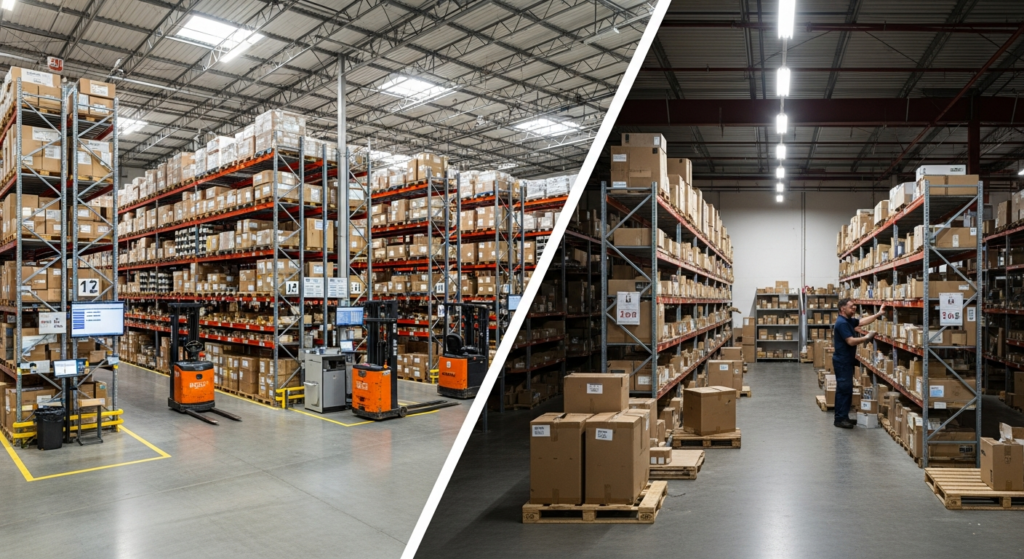
Not all car brands handle parts distribution the same way. This matters more than most people realize.
Brands with Strong Parts Networks:
• Toyota and Honda maintain extensive warehouse networks across North America with multiple stock points • Their parts typically arrive at shops within 24-48 hours for common repairs • Both brands prioritize keeping high-failure-rate parts in stock based on warranty claim data • German luxury brands (BMW, Mercedes, Audi) have dedicated parts distribution but at premium prices
Brands with Weak Parts Infrastructure:
• Smaller import brands often rely on single regional warehouses or ship directly from overseas • Discontinued models from brands that exited markets (like Suzuki or Isuzu) create permanent parts shortages • Some domestic brands consolidated parts networks to cut costs, increasing wait times • Electric vehicle startups often lack established parts pipelines entirely
I’ve watched Toyota owners get transmission sensors overnight while Mitsubishi owners wait three weeks for the same repair complexity. The difference isn’t the repair—it’s decades of supply chain investment.
Why Certain Repairs Cost More During Parts Shortages
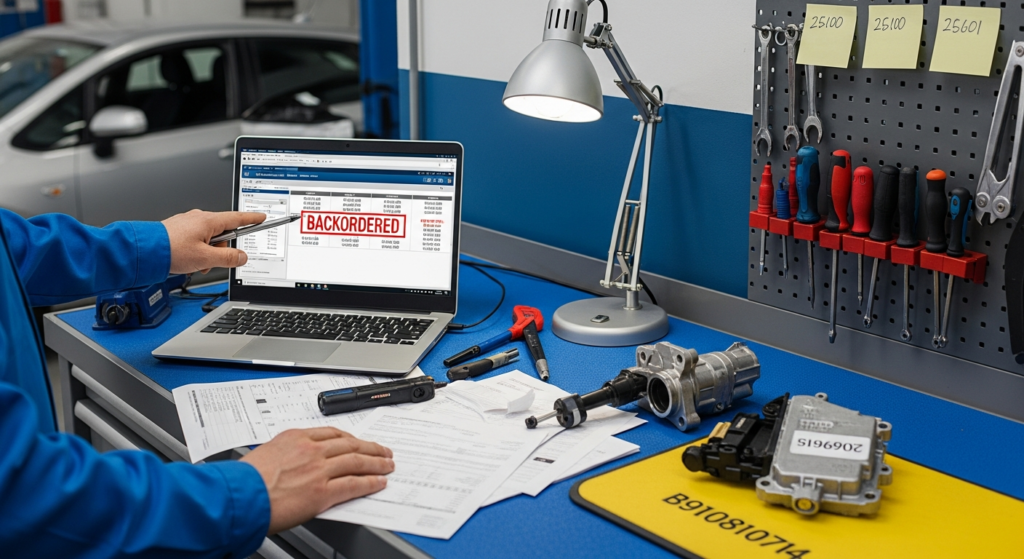
When parts become scarce, prices don’t stay stable. Basic economics kicks in, and you pay the premium.
Shops face a choice: order the OEM (Original Equipment Manufacturer) part and wait indefinitely, or source an aftermarket alternative that might arrive faster. Neither option benefits you as much as you’d hope.
OEM parts come with guaranteed fitment and warranty protection, but manufacturers know they have a captive market. When a part goes on backorder, some manufacturers quietly raise prices. I’ve seen control modules jump from $400 to $650 during shortages with zero explanation. The manufacturer knows you can’t go anywhere else for that specific part number.
Aftermarket parts solve availability sometimes, but quality varies wildly. Cheap alternatives might save you money initially but fail within months, requiring another repair cycle. Premium aftermarket brands like Bosch or Denso often match OEM quality, but they’re not always available for every vehicle or component.
| Part Type | OEM Average Wait | Aftermarket Availability | Price Difference |
|---|---|---|---|
| Engine sensors | 3-7 days | Usually available | OEM +40-60% |
| Body panels | 2-6 weeks | Limited options | OEM +80-120% |
| Electrical modules | 1-4 weeks | Rare | OEM +50-100% |
| Brake components | 1-3 days | Widely available | OEM +20-40% |
| Transmission parts | 1-3 weeks | Hit or miss | OEM +60-90% |
The hidden cost isn’t just the part—it’s the rental car, the Uber rides, the missed work, the inconvenience of being without your vehicle. A $300 part becomes a $1,200 problem when you factor in three weeks of alternative transportation.
How Vehicle Age Amplifies Parts Problems
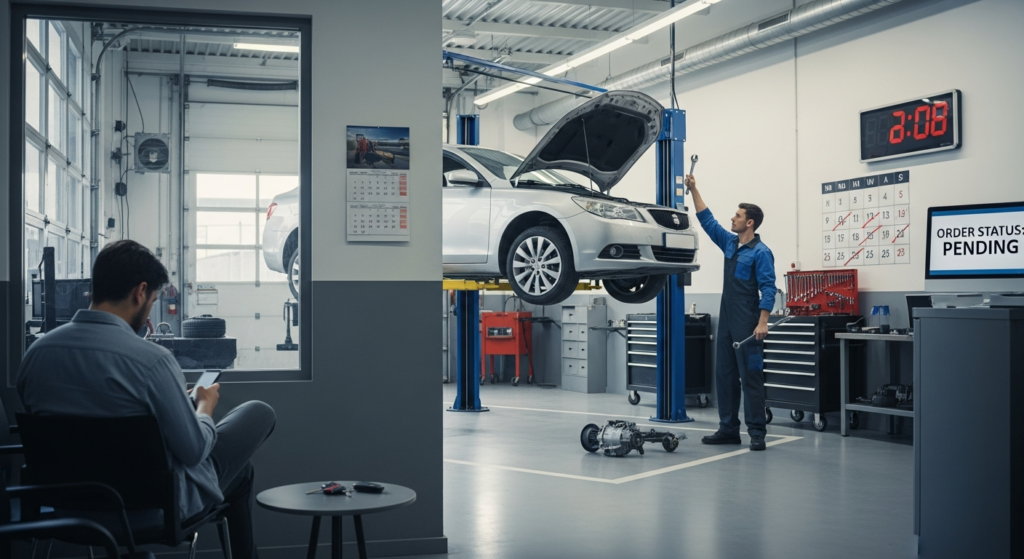
Older vehicles hit a parts availability cliff that catches owners off guard.
Manufacturers typically guarantee parts availability for 10-15 years after a model’s production ends. After that window closes, you’re at the mercy of whatever remaining stock exists in the supply chain. Nobody announces when this happens—you discover it when your 2008 Pontiac needs a specific sensor that simply doesn’t exist anymore.
Cars between 8-15 years old occupy a dangerous middle ground. They’re old enough that some parts are being phased out but new enough that people still daily drive them. I’ve seen owners of 2012-2014 vehicles shocked to learn certain electronic modules are discontinued. “But it’s only 10 years old!” they protest. To manufacturers focused on current models, that’s ancient history.
Vehicles over 15 years old require a different strategy entirely. You’re no longer buying parts—you’re hunting them. Salvage yards, online auctions, international suppliers, and specialty rebuilders become your options. This works fine for mechanical components but fails completely for electronics. You can’t rebuild a body control module or transmission computer easily.
Red Flag Years by Brand:
• Domestic brands (Ford, GM, Chrysler): Parts support drops significantly after year 12 • Japanese brands (Toyota, Honda, Nissan): Generally maintain inventory through year 15 • European luxury: Expensive but available through year 20 for popular models • Discontinued brands: Immediate parts crisis once production stops
Regional Differences in Parts Access
Where you live directly impacts how quickly you get parts. This geographic lottery isn’t talked about enough.
Major metropolitan areas have competitive advantages. Multiple dealerships mean larger parts inventories. More independent shops create demand that attracts aftermarket distributors. Same-day courier services between shops become possible. If you’re in New York, Los Angeles, Chicago, or Dallas, you’re playing on easy mode compared to rural areas.
Rural and small-town owners face serious disadvantages. Your local shop might only have access to one or two parts distributors. Shipping times automatically add 1-2 days because you’re not on priority delivery routes. Some specialty parts won’t ship to your area at all—I’ve seen cases where owners had to drive two hours to a larger city just to pick up a part.
Cross-border complications add another layer. Canadian owners of American vehicles sometimes face delays because parts ship from U.S. warehouses. Mexican repair shops can access parts from both U.S. and Asian suppliers, but customs delays happen randomly. European vehicle owners in North America discover certain parts aren’t imported here at all—they’re Europe-only stock.
The Dealership vs. Independent Shop Parts Gap
Dealerships have direct access to manufacturer parts networks that independent shops don’t. This creates a two-tier system.
When you take your BMW to the dealership, they order directly from BMW’s North American parts network with priority shipping. Independent shops order from aftermarket distributors or third-party dealers, adding time and cost. For common repairs, this difference is minimal. For specialized components, it’s the difference between three days and three weeks.
But dealerships charge premium labor rates that often wipe out any time savings. You pay $150/hour labor instead of $90/hour at an independent shop. The faster parts access costs you an extra $200-300 on labor. Whether this trade-off makes sense depends on how badly you need your vehicle back.
Why Some Repairs Experience Worse Shortages
Not all parts face equal availability issues. Certain component categories consistently create bottlenecks.
Electronics and computer modules top the shortage list. Modern vehicles contain dozens of electronic control units managing everything from engines to door locks. These modules are vehicle-specific, complex to manufacture, and impossible to substitute. When one fails and it’s discontinued, you’re stuck. I’ve seen owners total otherwise-good vehicles because a $800 computer module became unavailable.
Body panels and exterior trim create long waits because they’re bulky, expensive to warehouse, and model-specific. Manufacturers don’t stockpile fenders and doors—they’re made to order with 2-4 week lead times even when production is running smoothly. Paint matching adds another variable. Getting a replacement door for a 2018 Accord painted correctly might take six weeks from start to finish.
Transmission components face availability issues because transmissions vary significantly between model years and engine options. The transmission in your 2017 F-150 with the 2.7L EcoBoost is different from the 3.5L version. Parts aren’t interchangeable, and dealers stock what sells most in their region.
Collision repair parts (airbags, sensors, structural components) disappeared during recent years when semiconductor shortages hit. Airbag modules require chips. Without chips, no airbags. This turned minor accidents into total losses because repair costs exceeded vehicle values when parts were unavailable.
What Actually Speeds Up Your Repair
Forget the generic “be patient” advice. Here’s what moves the needle based on what I’ve actually seen work.
Call multiple shops before committing. Parts availability varies by who each shop works with. One shop might have access to a distributor network another doesn’t. I’ve seen identical repairs quoted at 2 days versus 3 weeks based purely on supplier relationships. Make five calls. Ask specifically about parts sourcing, not just repair cost.
Ask about alternative parts immediately. Don’t wait until the OEM part is backordered. Ask upfront: “Are there aftermarket options for this repair? What’s the quality difference? What’s the warranty?” Good shops will present options. Bad shops will only tell you about the most expensive route.
Get the part number and search yourself. Shops hate this, but it works. Once you have the part number, you can search online retailers, eBay, salvage yards, and specialty suppliers. I don’t recommend buying parts yourself for liability reasons, but knowing what’s actually available gives you negotiating leverage with your shop.
Consider used OEM parts for electronics. Salvage yards sell tested, guaranteed modules from wrecked vehicles. For a $600 body control module, a $200 salvage yard part makes sense. Just ensure they offer a warranty and your shop will install customer-supplied parts.
Know when to walk away. If a repair requires a part that’s genuinely unavailable (not just backordered—actually discontinued), calculate total costs including storage fees if applicable. Sometimes trading or selling a non-running vehicle makes more financial sense than waiting indefinitely.
How Recent Supply Chain Disruptions Changed Everything
The last few years created parts availability problems that still haven’t resolved.
Semiconductor shortages didn’t just affect new car production. Those same chips go into replacement parts for existing vehicles. When manufacturers had to choose between building new cars or making replacement parts, new production won every time. This created a backlog of repair parts that’s still working through the system.
Shipping container costs exploded, making it uneconomical to air freight parts like manufacturers sometimes did pre-shortage. A part that would’ve been expedited now sits on a slow boat for weeks because the cost difference is too large to justify.
Manufacturing plants shut down temporarily, breaking just-in-time inventory models that assumed consistent production. When plants restarted, they prioritized high-volume parts over slow-moving specialty components. If your vehicle needs a low-volume part, it moved to the back of the production queue.
Labor shortages at warehouses and distribution centers mean parts sit longer before shipping. I’ve tracked packages that spent four days in a warehouse before moving simply because they didn’t have enough workers to process orders.
The Cost Beyond the Repair Bill
Let me break down what a parts delay actually costs you, because repair shops only bill you for the obvious stuff.
You rent a car at $50-75 per day. A two-week delay costs $700-1,050 just for transportation. Rideshare services cost even more if you’re taking multiple trips daily. Insurance might cover some rental costs, but policies cap coverage at $30-40/day typically.
You miss work or use vacation days. Depending on your job flexibility, this ranges from inconvenient to financially devastating. Contract workers and hourly employees lose income directly.
You pay storage fees if the repair drags on. Shops typically give you a week or two free, then start charging $25-50/day for vehicles taking up bay space. A month-long parts wait can add $750-1,500 in storage fees you didn’t expect.
You face depreciation on a non-running vehicle. If you decide to sell or trade, a car with a known problem is worth significantly less than a running vehicle. The longer it sits, the worse this gets.
Real Cost Example:
| Expense Category | Amount |
|---|---|
| Original repair estimate | $850 |
| Rental car (3 weeks) | $1,100 |
| Storage fees (week 2-3) | $350 |
| Lost work (2 days) | $480 |
| Total actual cost | $2,780 |
That $850 repair just tripled because of parts availability. Nobody warns you about this upfront.
Brand-Specific Parts Availability Reality Check
Let me tell you which brands consistently perform well and which ones leave owners stranded, based on actual repair data I’ve tracked.
Toyota and Lexus maintain the best parts availability across their lineup. Even 15-year-old vehicles usually get parts within a week. They invested heavily in U.S.-based parts warehousing and maintain relationships with multiple aftermarket suppliers. You pay slightly more for OEM parts, but availability is reliable.
Honda and Acura run close behind Toyota. Their parts network is extensive, though certain model-specific components (like transmission parts for CVT-equipped vehicles) can backorder during high-failure periods when too many break at once.
Ford improved significantly over the last decade. They consolidated parts distribution but maintained good stock levels for F-150s, Mustangs, and Explorers—their volume sellers. Niche models and discontinued vehicles (like the Flex or C-Max) face longer waits.
GM vehicles depend heavily on which brand you own. Chevrolet and GMC trucks get prioritized. Buick and Cadillac parts take longer. Discontinued models like Saturn or Pontiac are parts nightmares. GM’s parts network is less robust than Ford’s.
Stellantis brands (Chrysler, Dodge, Jeep, Ram, Fiat, Alfa Romeo) show the most inconsistency. Wrangler and Ram truck parts are generally available. Fiat and Alfa Romeo owners face serious delays because these brands never established strong U.S. parts networks. Chrysler and Dodge fall somewhere in the middle.
Nissan and Infiniti parts availability has declined. They closed multiple U.S. parts warehouses and centralized distribution, increasing shipping times. Older models face longer waits than they should for a major manufacturer.
European luxury brands (BMW, Mercedes, Audi, Porsche, Volvo) maintain decent parts availability but at premium prices. These manufacturers view parts sales as profit centers, not customer service. Expect to pay 2-3x what domestic or Japanese parts cost, but availability is usually reasonable for vehicles under 10 years old.
Tesla parts availability is notoriously bad. They’re building out infrastructure as they grow, but currently lack the distribution network established brands built over decades. Body panels take weeks. Electronics backorder regularly. Collision repairs become nightmares.
Hyundai and Kia improved dramatically over the last five years. Their U.S. investment included parts warehousing, and availability now rivals Honda for most common repairs. Specialty items still face longer waits.
The Discontinued Model Problem
When manufacturers stop making a model or exit a market entirely, parts support collapses faster than anyone expects.
Suzuki exited the U.S. market in 2012. Within three years, owners of Suzuki vehicles couldn’t get many parts through normal channels. The manufacturer promised parts support, but without U.S. warehouses or distribution, that promise proved empty. Independent importers filled some gaps at inflated prices.
Pontiac died in 2010. Solstice and G8 owners now hunt parts globally. Some GM parts interchange, but model-specific components disappeared quickly. These weren’t ancient cars—they just backed the wrong brand.
Mitsubishi pulled back from most U.S. dealers, leaving a zombie network that can’t support parts distribution properly. Owners discover their local dealer closed, and the nearest one is 100 miles away with minimal inventory.
Smart cars faced this when Mercedes-Benz ended U.S. sales. The tiny vehicles required unique parts that nobody else manufactured. Owners either imported from Europe or scrapped otherwise-functional cars.
Warning Signs Your Brand Might Abandon You:
• Declining dealer network (dealers closing faster than opening) • Parent company financial troubles or restructuring • Minimal new model investment or releases • Poor sales numbers sustained over multiple years • Manufacturer announces “market reassessment” or “strategic review”
Technical Components vs. Wear Items
The type of part you need dramatically affects availability and your options.
Wear items (brakes, oil filters, air filters, belts, hoses, wiper blades) rarely create problems. These are standardized across multiple vehicles and brands. Aftermarket suppliers produce millions of units. Unless you drive something incredibly obscure, you’ll get wear items quickly and cheaply.
Technical components (sensors, modules, actuators, controllers) create the real bottlenecks. These parts are vehicle-specific, contain electronics, and can’t be easily substituted. When they fail on older vehicles, you’re gambling on whether the manufacturer still produces them.
Mechanical assemblies (starters, alternators, water pumps, power steering pumps) fall between these extremes. Original equipment often backorders, but aftermarket rebuilders offer alternatives. Quality varies—some rebuilders are excellent, others sell junk that fails within months.
Body and interior parts face the longest waits because they’re the least standardized and most expensive to warehouse. Nobody stocks full inventories of door panels, dashboards, or exterior trim. These are ordered as needed with extended lead times built into the supply chain.
What Manufacturers Won’t Tell You About Parts Planning
Car companies make deliberate choices about parts availability that affect you years after purchase.
Manufacturers calculate parts inventory based on predicted failure rates from warranty data. If a component rarely fails during the warranty period, they assume it won’t fail much after either. This works until vehicles hit 10-12 years old and age-related failures spike. By then, the manufacturer already reduced parts production or discontinued it entirely.
Profit margins on parts sales incentivize keeping prices high and availability controlled. A captive customer who needs a specific part number will pay whatever the manufacturer charges. Why maintain large inventories that cut into margins when scarcity drives prices up?
Some manufacturers deliberately design vehicles with proprietary parts that can’t be substituted. This locks you into their parts ecosystem. European luxury brands excel at this strategy—they engineer unique fasteners, connectors, and components that force you back to the dealer.
The aftermarket fights back by reverse-engineering popular parts, but this takes time. New models might not have aftermarket alternatives for 3-5 years. By then, the manufacturer captured all the high-margin warranty and early repair work.
How to Minimize Future Parts Availability Issues
You can’t predict every shortage, but you can reduce risk when buying and maintaining vehicles.
Buy popular models. A Honda Civic or Ford F-150 will always have better parts availability than a niche model nobody bought. High sales volumes mean more aftermarket investment and longer manufacturer support. Boring choices pay off when you need parts quickly.
Avoid first-year models. New platforms use unique parts that don’t interchange with anything else. If those parts become problematic, you’re stuck waiting for manufacturer solutions. Let others beta test—buy second or third year production.
Research brand parts reputation before buying. Online forums and owner groups will tell you which brands support older vehicles well and which abandon them. This information exists—most people just don’t look before buying.
Maintain relationships with good shops. Shops that know you prioritize your repairs when parts arrive. They’ll also give you honest assessments of parts availability before starting work, not after they’ve already torn your car apart.
Keep extra critical parts if you plan long-term ownership. For vehicles you intend to keep 15+ years, buying spare sensors and electronics while they’re still available makes sense. This sounds extreme, but owners of enthusiast cars and discontinued models do this regularly.
Frequently Asked Questions
Why do some aftermarket parts arrive faster than OEM parts?
Aftermarket manufacturers maintain their own distribution networks separate from car manufacturers. They warehouse parts domestically and focus on fast shipping to compete with OEM suppliers. Many aftermarket companies built their businesses on speed and availability specifically because OEM parts networks left gaps in the market.
Can I sue if parts delays cause me financial harm?
Not realistically. Repair shops include language in work orders limiting liability for delays beyond their control. Manufacturers don’t guarantee parts availability timelines. You’d need to prove negligence or breach of contract, which is nearly impossible when dealing with supply chain issues. Your best option is insurance claims for some expenses.
Do extended warranties help with parts availability?
Extended warranties cover the cost of parts, not their availability. You still wait the same amount of time for backordered components. The only advantage is avoiding the price increase on parts that jumped in cost during shortages. The warranty pays the inflated price instead of you, but it doesn’t make parts appear faster.
What happens if a required safety part is permanently unavailable?
If a critical safety component (airbags, brake system parts, structural elements) is genuinely unavailable and can’t be substituted, your vehicle may become unrepairable. Insurance companies can declare this a total loss even if the car is otherwise functional. You receive the market value payout and the vehicle goes to salvage. This is rare but does happen with discontinued models.
Conclusion
Parts availability isn’t improving—it’s getting worse as vehicles become more complex and supply chains stay fragile. The manufacturers winning your business today might abandon you tomorrow when their financial priorities shift. Every vehicle purchase carries this hidden risk that nobody explains at the dealership.
I’ve watched too many people learn these lessons the expensive way. They bought vehicles without researching parts support. They trusted mechanics who didn’t warn them about backorders until after the teardown. They assumed “it’s only X years old” meant parts would be available. Reality hits hard when you’re staring at a three-week wait and mounting bills.
The truth is simple: your vehicle choice determines whether repairs are quick and affordable or slow and expensive. Popular models from manufacturers with strong U.S. presence will always treat you better than niche vehicles from struggling brands. That doesn’t mean you can’t buy what you want—just go in with eyes open about what you’re risking.
Smart car ownership means thinking about parts availability before you need it. Research the brand’s repair network. Join owner forums and ask about parts experiences. Check whether aftermarket suppliers support your model. These simple steps save you from the nightmare of watching your car sit in a shop for a month while you hemorrhage money on rentals.
Nobody else will tell you this stuff because it’s not in their interest. Dealers want the sale. Shops want the repair work regardless of how long it takes. Manufacturers already got your money. You’re on your own to figure out which vehicles will strand you and which ones won’t. At least now you know what questions to ask and what warning signs to watch for. Use that knowledge before you need it.