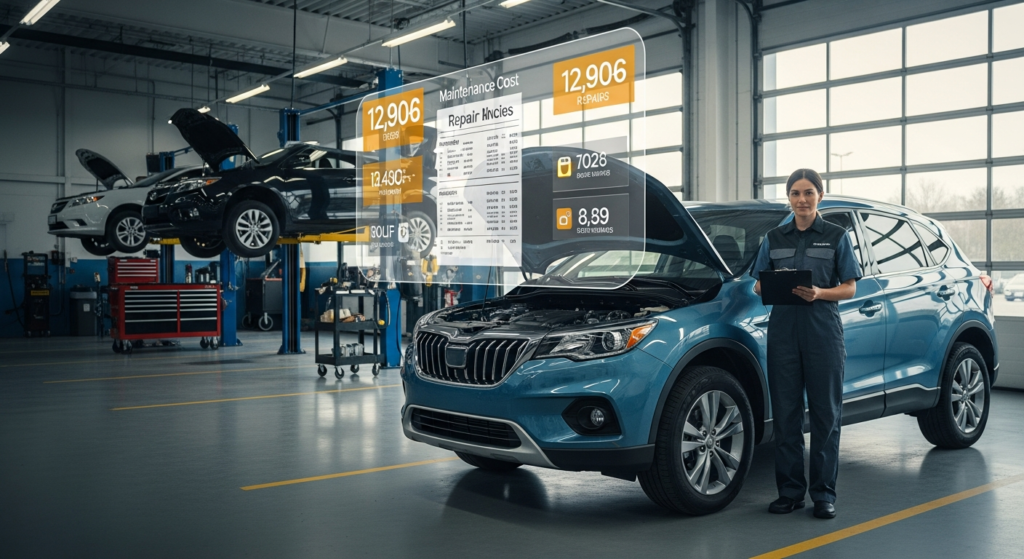

I’ve spent the last five years working as an independent automotive technician, and I can’t count how many times someone’s rolled into my shop with a crossover they bought six months ago, completely blindsided by a $1,200 repair bill. They’re confused, frustrated, and usually asking the same question: “Isn’t this supposed to be reliable?”
Here’s what nobody tells you at the dealership. That shiny new crossover with the perfect payment plan? It’s just the beginning of what you’ll actually spend. I’m Priya Verma, and after working on everything from budget-friendly Rogues to luxury Audis, I’ve seen the patterns that separate smart ownership from financial regret. Today, I’m breaking down the maintenance reality of the most popular crossovers on the road, because you deserve to know what’s coming before you sign anything.
Why Crossover Maintenance Costs Catch Everyone Off Guard
Most people walk into a dealership focused on the monthly payment. That’s exactly what sales teams want. What they don’t highlight is that crossovers typically cost 15-20% more to maintain than traditional sedans over a five-year period.
The reason is simple: more complexity equals more problems. Crossovers pack sedan conveniences into a larger body with AWD systems, higher ground clearance, and components that work harder. Every added system is another potential failure point.
I’ve watched customers choose a Nissan Rogue over a Sentra because they “need the space,” then struggle when they discover the CVT transmission issues that plague certain model years. The Rogue looks great on paper until you’re staring at a $3,500 transmission replacement at 80,000 miles.
The Popular Crossovers That Actually Cost Less to Maintain
Not all crossovers drain your wallet equally. Some genuinely deliver on their reliability promises.
Toyota RAV4 (2019-2024)
The RAV4 consistently ranks as one of the cheapest crossovers to maintain. Over five years, you’re looking at roughly $4,500-$5,200 in routine maintenance and common repairs. That’s substantially lower than most competitors.
Why does it cost less? Toyota’s conservative engineering approach. They don’t chase cutting-edge tech that breaks in year three. The 2.5L four-cylinder engine is proven, the transmission is bulletproof, and parts are everywhere. When something does break, aftermarket options keep costs reasonable.
Common maintenance items include brake pads around 40,000 miles ($250-$350 for all four corners), tire rotations every 5,000 miles ($30-$50), and cabin air filters twice yearly ($20-$40 if you do it yourself). The hybrid version adds virtually nothing to maintenance costs while saving you at the pump.
Honda CR-V (2017-2024)
The CR-V runs a close second, with five-year maintenance averaging $5,000-$5,800. Honda’s 1.5L turbo engine initially worried me when it launched, but it’s proven more reliable than I expected.
The CR-V’s strength is its simple design. There’s nothing fancy breaking down. The CVT transmission, unlike Nissan’s troubled version, holds up well past 100,000 miles with proper fluid changes. I recommend changing the CVT fluid every 30,000 miles instead of Honda’s 60,000-mile suggestion. It costs $150-$200 but prevents the shuddering issues I’ve seen in neglected units.
Watch for the oil dilution issue in 2017-2018 models with the 1.5T engine. Honda issued a software update, but if you’re buying used, verify it was completed.
Mazda CX-5 (2017-2024)
Here’s where things get interesting. The CX-5 feels more premium than its price suggests, and maintenance costs reflect smart engineering rather than luxury pricing. Five-year costs typically run $5,200-$6,000.
Mazda’s naturally aspirated 2.5L engine is dead simple and incredibly reliable. No turbo complexity, no direct injection carbon buildup nightmares. The six-speed automatic transmission is one of the last traditional automatics in the segment, and it’s better for it.
The CX-5’s higher maintenance cost compared to the RAV4 comes from two areas: brake components wear slightly faster due to the sportier tuning, and tire costs run higher if you opt for the larger wheel packages. Stick with the 17-inch wheels, and you’ll save $200-$300 per tire replacement.
The Crossovers That Will Drain Your Bank Account
Some popular crossovers look appealing until you factor in reality. I’ve seen these patterns repeatedly in my shop.
Volkswagen Tiguan (2018-2024)
The Tiguan’s attractive price point disappears quickly once you own it. Five-year maintenance costs average $7,500-$9,200, and that’s assuming nothing major breaks.
VW’s 2.0T engine requires synthetic oil changes every 5,000-7,500 miles at $80-$110 per service. The DSG transmission needs fluid changes every 40,000 miles at $400-$500. Brake components wear faster than Japanese competitors, and replacing all four rotors and pads runs $600-$800.
The real killer is when things go wrong. A failed water pump (common around 60,000-80,000 miles) costs $800-$1,200. Turbocharger issues start appearing after 80,000 miles, with replacement running $2,000-$3,000. I’ve replaced three Tiguan turbos this year alone.
Jeep Cherokee (2014-2023)
I’m going to be blunt: the Cherokee’s 9-speed transmission is a disaster. Fiat Chrysler’s ZF 9HP transmission suffers from harsh shifts, hesitation, and outright failure. I’ve seen failures as early as 30,000 miles.
Five-year maintenance costs average $8,000-$10,500, but that assumes the transmission survives. If it doesn’t, you’re looking at $4,500-$6,000 for a rebuild or replacement. Even with the extended warranty many dealers now offer on these transmissions, you’ll face downtime and hassle.
Regular maintenance items also cost more. Oil changes run $75-$95, brake jobs cost $450-$650, and the Cherokee chews through tires faster than most crossovers due to its weight distribution and AWD system.
Nissan Rogue (2014-2020)
The Rogue’s CVT transmission has earned its terrible reputation. These Jatco-built CVTs fail with alarming frequency between 60,000-100,000 miles. Replacement costs $3,500-$5,000, and there’s no guarantee the replacement won’t fail too.
Even without catastrophic failure, five-year maintenance averages $7,200-$8,500. The CVT fluid needs changing every 30,000 miles ($200-$300), and many owners report needing multiple changes just to keep the transmission functioning smoothly.
I recommend avoiding 2014-2020 Rogues entirely unless you’re prepared for transmission replacement. The 2021+ models use a revised CVT that shows improvement, but I need more time to judge long-term reliability.
Real Maintenance Cost Comparison
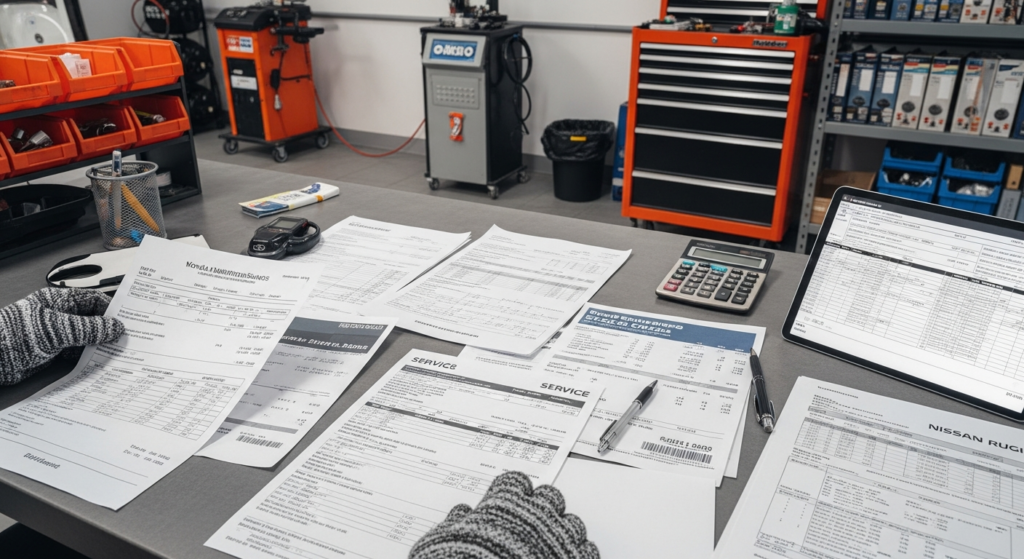
Here’s what you’ll actually spend over five years of ownership, assuming 60,000 miles:
| Crossover Model | Oil Changes | Brake Service | Tires | Major Services | Common Repairs | Total 5-Year Cost |
|---|---|---|---|---|---|---|
| Toyota RAV4 | $600 | $400 | $800 | $1,200 | $1,500 | $4,500-$5,200 |
| Honda CR-V | $650 | $450 | $850 | $1,300 | $1,750 | $5,000-$5,800 |
| Mazda CX-5 | $650 | $500 | $900 | $1,400 | $1,750 | $5,200-$6,000 |
| Subaru Outback | $700 | $550 | $900 | $1,500 | $2,100 | $5,750-$6,500 |
| Hyundai Tucson | $600 | $450 | $800 | $1,300 | $2,000 | $5,150-$5,900 |
| VW Tiguan | $950 | $700 | $950 | $2,000 | $3,100 | $7,500-$9,200 |
| Jeep Cherokee | $850 | $650 | $1,000 | $1,800 | $4,200 | $8,000-$10,500 |
| Nissan Rogue | $650 | $500 | $850 | $1,500 | $3,700 | $7,200-$8,500 |
What Those “Recommended Services” Really Mean
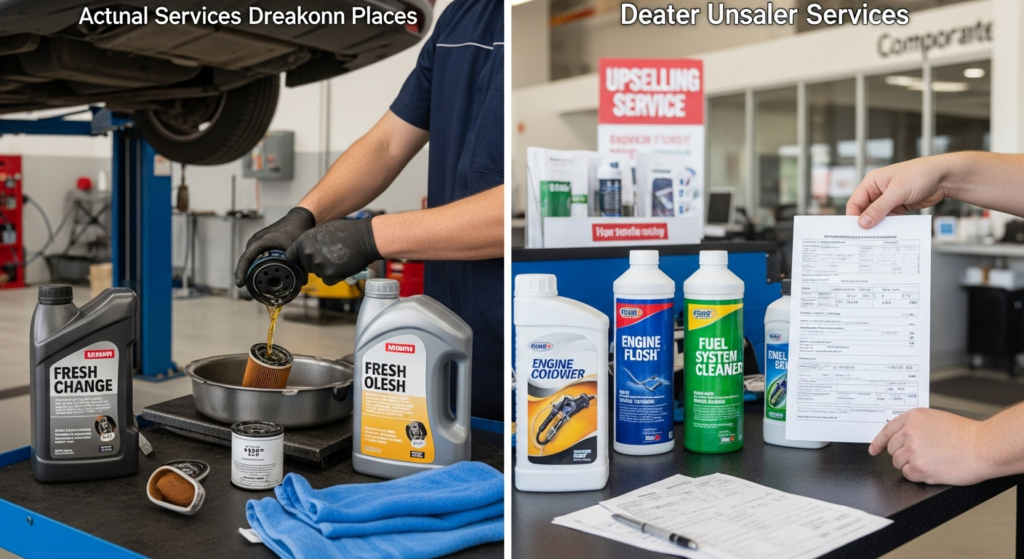
Dealerships love pushing maintenance schedules that benefit their service department more than your vehicle. Let me separate necessary from negotiable.
Services You Actually Need:
- Oil changes at manufacturer intervals (usually 5,000-7,500 miles)
- Tire rotations every 5,000-7,500 miles
- Brake fluid flush every 3 years
- Coolant flush every 5 years or 60,000 miles
- Transmission fluid change every 30,000-60,000 miles depending on type
- Air filter replacement when visibly dirty (usually 15,000-30,000 miles)
- Cabin air filter twice yearly
- Spark plugs at 60,000-100,000 miles depending on type
Services Dealers Push That You Don’t Need:
- Engine flushes on modern engines with regular oil changes
- Fuel system cleaning services unless you’re experiencing problems
- Throttle body cleaning services (DIY with $8 cleaner in 10 minutes)
- Differential fluid changes before 60,000 miles in most crossovers
- Tire alignment unless you notice pulling or uneven wear
I’ve seen dealers quote $400 for a “complete fuel system service” that consists of pouring a $12 bottle of cleaner in your tank. Don’t fall for it.
The AWD Tax Nobody Mentions
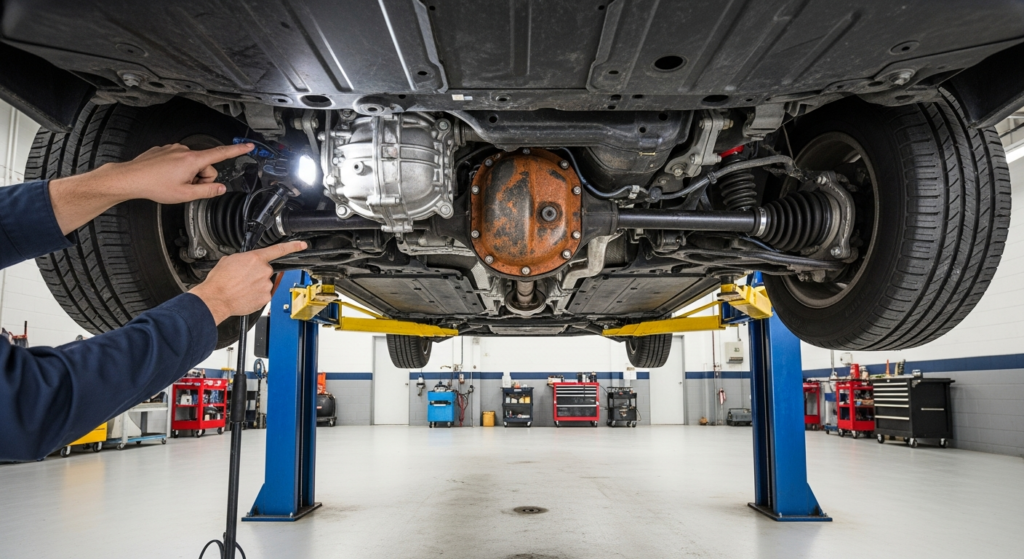
All-wheel drive sounds great until you realize what it costs. AWD systems add complexity, weight, and maintenance requirements that FWD models avoid.
Here’s the real cost breakdown:
- Reduced fuel economy costs you $300-$600 annually in extra gas
- Four tires wear simultaneously, forcing full replacements ($800-$1,200)
- Transfer case and rear differential require fluid changes ($150-$250 every 30,000-60,000 miles)
- Additional components that can fail (transfer case, rear differential, driveshaft)
Over five years, AWD adds roughly $2,000-$3,500 to your ownership costs. That’s fine if you genuinely need it for weather or terrain. But if you’re buying AWD “just in case,” you’re spending thousands for capabilities you’ll rarely use.
I live in an area with brutal winters, and I see front-wheel-drive vehicles with good snow tires outperform AWD crossovers on all-seasons constantly. Good tires matter more than driven wheels.
The Hidden Costs of Turbocharged Engines
Turbo engines promise power without size, but they demand more maintenance and suffer more expensive failures.
Turbocharged crossovers require:
- Premium fuel in most cases ($400-$800 extra per year)
- More frequent oil changes with synthetic oil
- Higher cooling system stress leading to earlier failures
- Turbocharger replacement ($2,000-$3,500) around 80,000-120,000 miles
I’ve replaced turbos on Tiguns, Sportages, Escapes, and CX-5 turbos. It’s rarely cheap, and it’s often unexpected. The naturally aspirated RAV4 and base CX-5 avoid this entirely.
Warranty Games: What’s Actually Covered
Manufacturer warranties sound protective until you need them. Here’s what I’ve learned watching customers fight warranty claims.
Powertrain warranties cover the engine, transmission, and drivetrain components. They don’t cover wear items, which dealers often try to blame for failures. A failed transmission at 50,000 miles is covered. A transmission that “shifts rough” might be denied as “normal operation.”
Bumper-to-bumper warranties cover most components for 3 years/36,000 miles, but exclude wear items like brakes, tires, and wiper blades. They also exclude damage from “lack of maintenance,” which dealers interpret broadly.
Extended warranties are profitable for dealers and rarely worth buying. You’re better off putting that $2,000-$3,000 into a savings account for repairs. Most extended warranties have deductibles, excluded items, and claim processes that frustrate owners into paying out of pocket anyway.
The only time I recommend extended warranties is on vehicles with known expensive issues, like the Jeep Cherokee’s transmission. But honestly, you shouldn’t buy a vehicle where you need a warranty to feel safe.
Doing Your Own Maintenance: What’s Worth It
I’m obviously biased toward DIY maintenance, but not everything makes sense to tackle yourself.
Easy DIY Tasks That Save Hundreds:
- Air filter replacement (5 minutes, saves $30-$50)
- Cabin air filter replacement (10 minutes, saves $40-$80)
- Wiper blade replacement (2 minutes, saves $20-$40)
- Battery replacement (15 minutes, saves $50-$100 in labor)
- Light bulb replacement on most models (5-20 minutes, saves $30-$80)
Tasks Worth Paying For:
- Oil changes if your time is valuable (messy, requires disposal)
- Brake work if you’re not experienced (safety critical)
- Tire mounting and balancing (requires expensive equipment)
- Transmission service (requires specific tools and procedures)
- Any recall or warranty work (must be dealer performed)
The sweet spot is learning the simple stuff while building a relationship with an independent shop for the complex work. Independent shops typically charge 30-50% less than dealers for the same work using quality parts.
Reliability Scores vs. Real-World Experience
Reliability ratings like those from Consumer Reports provide useful data, but they don’t tell the complete story. A vehicle can score high on reliability while still costing a fortune to maintain.
The Audi Q5, for example, posts decent reliability scores but costs $8,500-$11,000 to maintain over five years. High reliability just means things don’t break often, not that repairs are affordable when they do.
Conversely, the Subaru Outback has mediocre reliability ratings but remains affordable to fix. Head gasket issues plagued older models, but the 2020+ models with the 2.5L engine avoid this problem. Five-year costs run $5,750-$6,500, which is reasonable given the standard AWD.
I put more weight on actual repair frequency and costs than reliability scores. A vehicle that needs a $300 repair every 25,000 miles is better than one needing a $3,000 repair every 75,000 miles, even if the latter scores higher on reliability.
The Maintenance Schedule Crossovers Actually Need
Ignore the dealer’s profit-driven schedule. Here’s what your crossover genuinely requires based on five years of hands-on experience.
Every 5,000 Miles:
- Oil and filter change
- Tire rotation
- Visual inspection of brakes, fluids, and belts
Every 15,000 Miles:
- Replace engine air filter
- Inspect battery and terminals
- Check coolant level and condition
Every 30,000 Miles:
- Replace cabin air filter
- Inspect brake pads and rotors
- Change CVT transmission fluid (if equipped)
- Rotate and inspect tires
Every 60,000 Miles:
- Replace spark plugs (or at manufacturer interval)
- Change conventional automatic transmission fluid
- Flush brake fluid
- Inspect suspension components and wheel bearings
- Replace engine air filter
- Inspect serpentine belt
Every 100,000 Miles:
- Replace timing belt if equipped (most modern crossovers use chains)
- Replace coolant
- Inspect and possibly replace water pump
- Deep inspection of all major systems
This schedule keeps your crossover running without unnecessary services. It’s what I follow on my own vehicles, and I’ve never had a maintenance-related breakdown.
When to Walk Away From a Used Crossover
Shopping for a used crossover requires more skepticism than buying new. Certain red flags should end your interest immediately.
Immediate Deal Breakers:
- No maintenance records whatsoever
- Evidence of accident damage or frame issues
- Rust on frame or suspension components
- Transmission problems or symptoms (shuddering, slipping, delays)
- Check engine light with stored codes
- Modified or aftermarket engine components
- Strong odors indicating water damage or smoking
Proceed With Caution:
- Maintenance records showing only dealer service (often incomplete or inflated)
- High miles with recent major repairs (suggesting deferred maintenance caught up)
- Mismatched tires or obvious cost-cutting on maintenance
- Multiple previous owners in short timeframe
- Carfax showing rental or fleet use
I walked away from a 2018 CR-V last month that looked perfect but had zero maintenance records. The owner claimed he “did everything himself” but couldn’t produce a single receipt. That’s not frugality—that’s a gamble I won’t take.
Always get a pre-purchase inspection from an independent mechanic. It costs $100-$200 and saves thousands in hidden problems. I’ve found cracked subframes, leaking head gaskets, and failing transmissions that would have cost more than the purchase price to repair.
The Real Cost of Different Fuel Types
Crossovers come with different fuel requirements that significantly impact ownership costs beyond the EPA estimates.
Regular Unleaded (87 Octane):
Most reliable crossovers run happily on regular fuel. The RAV4, CR-V, base CX-5, and Outback all use regular. At current prices, this is your cheapest option.
Premium Required (91-93 Octane):
Turbocharged models often require premium fuel. The VW Tiguan, Audi Q5, and some Mazda CX-5 models need premium. That’s $400-$800 extra per year depending on your mileage.
Don’t cheap out and use regular in premium-required vehicles. You’ll trigger knock sensors, reduce power, decrease fuel economy, and potentially cause long-term engine damage. The “savings” disappear quickly.
Premium Recommended:
This weasel-word category means the vehicle can run on regular but performs better with premium. Translation: the manufacturer wants you to buy premium but knows most won’t. In these cases, regular is fine unless you’re towing or live at high altitude.
Comparing Service Intervals: Who Asks For What
Different manufacturers have wildly different service schedules, and not all are honest about what you need.
| Manufacturer | Oil Change Interval | Transmission Service | Major Service Interval |
|---|---|---|---|
| Toyota | 10,000 miles / 12 months | 60,000 miles | 30,000 miles |
| Honda | 7,500 miles | 30,000-60,000 miles (CVT) | 30,000 miles |
| Mazda | 7,500 miles | 60,000 miles | 30,000 miles |
| Subaru | 6,000 miles | 30,000 miles (CVT) | 30,000 miles |
| Volkswagen | 10,000 miles | 40,000 miles (DSG) | 20,000 miles |
| Nissan | 5,000 miles | 30,000 miles (CVT) | 30,000 miles |
| Jeep | 10,000 miles | Never (official) | 20,000 miles |
Notice how Jeep officially says “lifetime fluid” in their 9-speed transmission? That’s corporate speak for “it’ll fail right after warranty expires.” Change it every 60,000 miles regardless of what the manual says.
Toyota’s 10,000-mile oil change interval is aggressive even with synthetic oil. I recommend cutting it to 5,000-7,500 miles, especially if you do short trips or drive in extreme temperatures.
What Your Check Engine Light Really Means
That glowing engine symbol isn’t always expensive disaster, but it shouldn’t be ignored either.
Common Cheap Fixes:
- Loose gas cap ($0, just tighten it)
- Failed oxygen sensor ($100-$300)
- Faulty mass airflow sensor ($150-$350)
- Evaporative emissions leak ($50-$200)
Expensive Problems:
- Catalytic converter failure ($800-$2,500)
- Transmission issues ($1,500-$5,000)
- Engine misfires requiring major work ($500-$3,000)
Get the codes read immediately—most auto parts stores do it free. That tells you if it’s urgent or can wait. A flashing check engine light means stop driving immediately; you’re damaging the catalytic converter.
I’ve seen people ignore check engine lights for months, turning a $150 oxygen sensor into a $2,000 catalytic converter replacement. Don’t be that person.
Frequently Asked Questions
Which crossover has the lowest maintenance costs over 10 years?
The Toyota RAV4 consistently shows the lowest maintenance costs over extended ownership periods. Over 10 years, expect to spend roughly $8,500-$11,000 on maintenance and repairs, assuming normal driving conditions and proper care. The Honda CR-V runs a close second at $9,500-$12,500 for the same period.
Are extended warranties worth buying on crossovers?
Not usually. Extended warranties cost $2,000-$4,000 upfront and often include deductibles, exclusions, and claim headaches that reduce their actual value. You’re better off putting that money into a dedicated savings account for repairs. The only exception is vehicles with known expensive problems where you plan to keep the vehicle past the manufacturer warranty period.
How much should I budget monthly for crossover maintenance?
Budget $75-$100 monthly for reliable crossovers like the RAV4 or CR-V. This covers routine maintenance, tire replacement, and a cushion for unexpected repairs. For European or problem-prone crossovers, increase that to $125-$175 monthly. This might seem high, but it prevents financial stress when major services come due.
Should I follow the severe service schedule or normal schedule?
Follow the severe service schedule if you do frequent short trips (under 10 miles), drive in extreme temperatures, tow regularly, or drive in dusty conditions. This describes most people’s actual driving patterns, even if they think they drive “normally.” The severe schedule prevents problems that arise from treating normal wear as severe neglect.
Final Thoughts on Crossover Ownership Reality
The crossover market keeps growing because these vehicles genuinely work well for many families. But that doesn’t mean every crossover is a smart financial choice.
I’ve watched too many people stretch their budget for a vehicle they can barely afford, then struggle with maintenance they didn’t expect. The monthly payment is just one piece of total ownership cost, and it’s often the smallest piece after a few years.
My advice after working on hundreds of crossovers: buy the most reliable option you can afford, even if it’s not the prettiest or most feature-packed. The RAV4 might not be exciting, but it won’t leave you stranded or broke. That peace of mind is worth more than heated steering wheels or ambient lighting.
Do your research, get pre-purchase inspections, maintain your vehicle properly, and don’t believe dealer service schedules designed to maximize their profit. Your wallet will thank you for the next decade.
The best crossover isn’t the one with the lowest payment—it’s the one that gets you where you need to go without drama or financial stress. Choose wisely, maintain properly, and you’ll be fine.